

Canada: Durum production down 12%
Production of Canada’s principal field crops is expected to decrease in 2025-26, Agriculture and Agri-Food Canada (AAFC) said in its preliminary outlook for 2025-26 Canadian supply and demand. Forecasted increases in Canadian wheat, barley and oats were more than offset by decreases in corn, canola, soybeans and other crops. The outlook was contained in the...

Rains slow Brazilian soybean harvest
Excessive rains have bogged down Brazil’s soybean harvest for the 2024-25 season, and unfavourable weather has delayed the planting of the second corn crop, Reuters reported, citing agribusiness consultancy AgRural. As of Jan. 17, farmers had harvested just 1.7% of the planted area for the current season, the lowest level for this time of year since...

Bunge deal to acquire Viterra gets OK from Canada
With a raft of conditions, the Canadian government has given the green light to Bunge Global SA’s 18-month-old deal to merge with fellow agribusiness giant Viterra. Anita Anand, minister of transport and internal trade, late on Jan. 14 announced Canada’s approval of the $18 billion transaction, under which Bunge Global SA plans to acquire Viterra Ltd. However,...

India’s rice stocks reach record high
While its wheat stocks continue to drop, India’s rice stocks hit a record at the beginning of January, reaching eight times the government’s target, Reuters reported. Rice reserves totaled 60.9 million tonnes on Jan. 1, much higher than the target of 7.6 million tonnes. Wheat stocks were at 18.4 million tonnes, above the target of 13.8 million...
FAS bullish on Argentine soybean crop
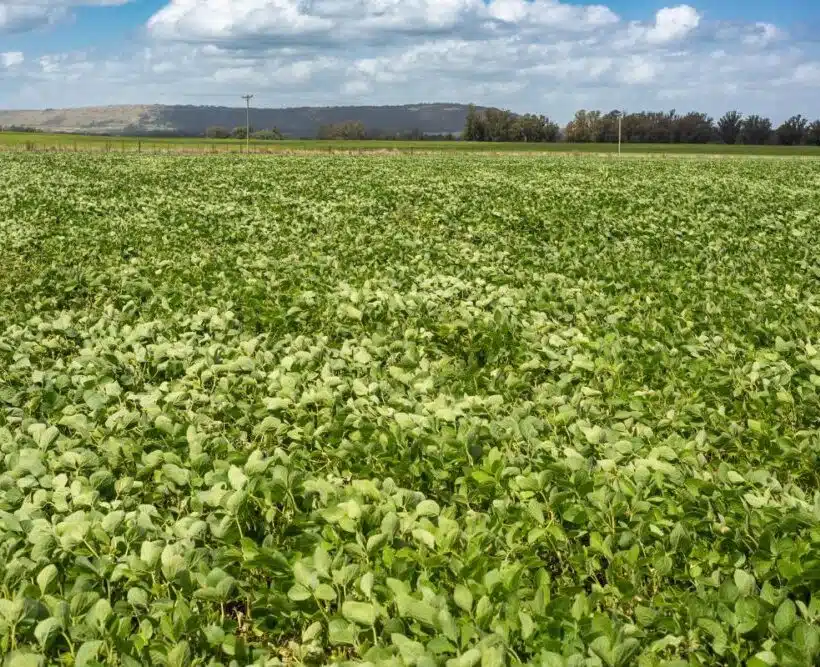
Strong soybean production and crush are anticipated in Argentina in the 2024-25 marketing year, but those lofty projections could be impacted by a developing La Niña weather pattern, according to the latest report from the Foreign Agricultural Service (FAS) of the US Department of Agriculture. With nearly 90% of the soybean crop planted, crop development...

Dryness expected in Brazil, Argentina
La Niña still has not evolved after various computer forecast models predicted it was imminent since last spring. Changes in ocean surface temperatures finally have become significant enough that traditional La Niña-biased conditions are beginning to show up around the world. An official La Niña event may not ever evolve, or if it does evolve...